New EU Law Bans High-Risk AI Systems to Ensure Safer Technology Use
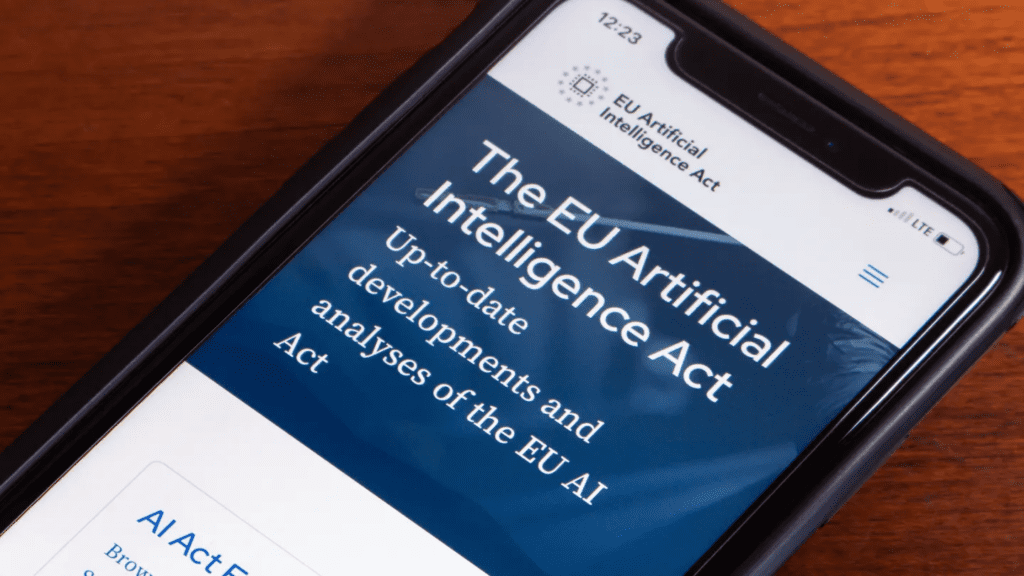
The EU's AI Act enforces a ban on high-risk AI systems, prohibiting applications posing an "unacceptable risk" to enhance tech safety.
Read more125 articles on AI Automation.
The EU's AI Act enforces a ban on high-risk AI systems, prohibiting applications posing an "unacceptable risk" to enhance tech safety.
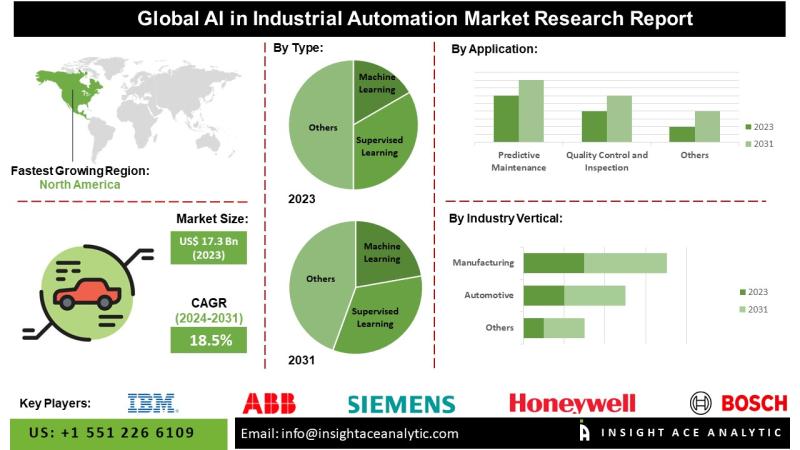
Read moreAI-powered smart factories are set to transform industry, increasing productivity. By 2031, the market will reach $65.8B, evolving fast.
Read moreExplore AI-driven business decision-making, examining its benefits like improved efficiency and risks such as lack of human intuition and biases.
Read moreLearn to evaluate AI tools job effectiveness with insights into their capabilities and potential to transform your work tasks and productivity.
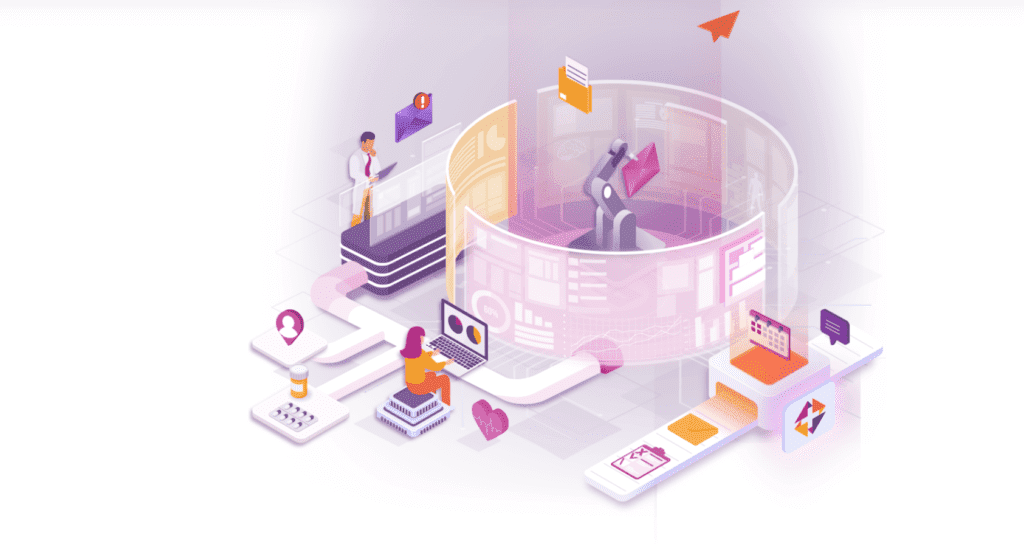
Read moreMedsender raises $5M to enhance healthcare with smart AI workflow improvement, automating tasks like scheduling and communication for better efficiency.
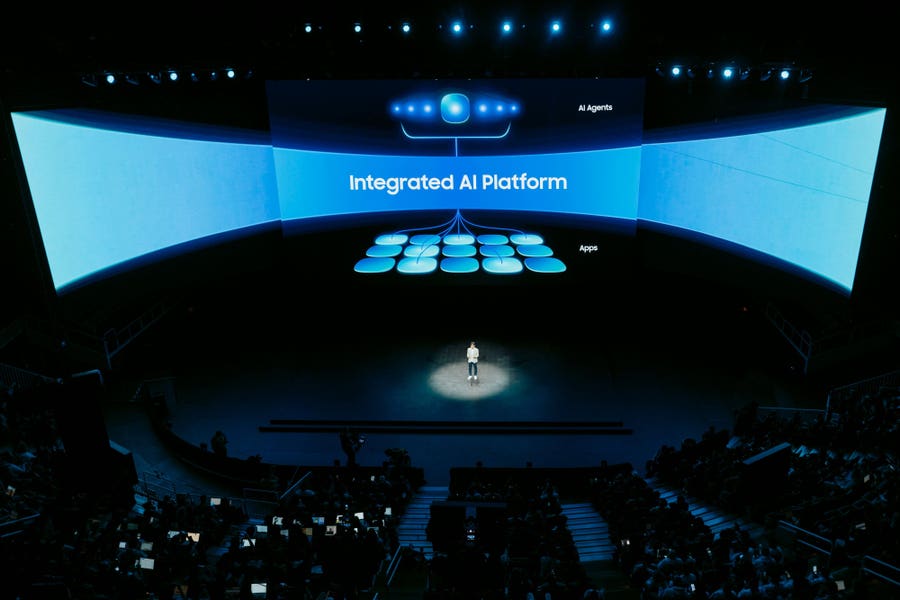
Read moreSamsung AI smart home features enhance personalization with SmartThings, using appliances as sensors to automate and adapt your home environment.
Read moreAI technology is set to revolutionize the automation market, projected to reach $178.63 billion by 2032, driven by AI, RPA, and emerging tech.
Read moreDiscover how artificial intelligence is transforming customer service by enhancing efficiency, personalization, and collaboration in support teams.
Read moreKore.ai and Intermedia introduce new AI contact tools for Microsoft Teams, enhancing communication with AI agents and advanced contact center features.
Read moreContoro's AI-powered trailer unloading robots autonomously unload 100+ trailers, boosting efficiency and automation in warehouse logistics.
Read moreAI is transforming supply chains by automating tasks and improving efficiency, with 75% of leaders seeing its potential in streamlining simple jobs.
Read moreAchieving fully autonomous security systems is unlikely, but improving efficiency with AI enhances scalability in SOCs despite persistent human roles.
Read more