Discovering Hidden Threats: How SSL History Helps Find Bad Websites
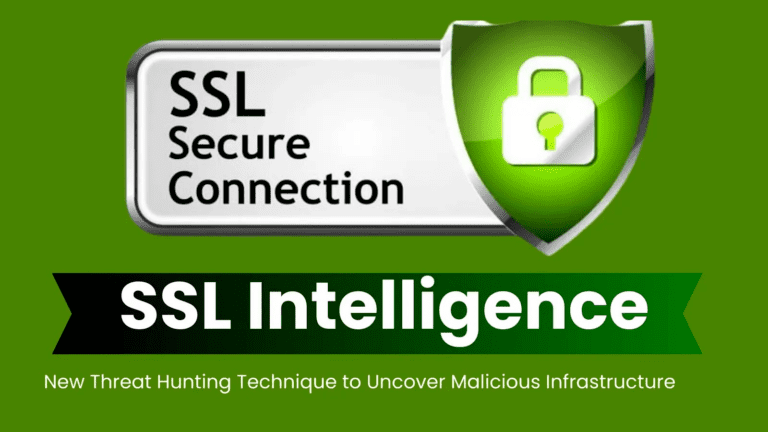
Imagine sitting in a classroom, bored out of your mind, when a little padlock next to a website address piques your curiosity. You ask your tech-savvy friend about it, and suddenly, you’re plunged into the world of SSL certificates—one of the internet’s strongest shields against cyber villains. But did you know that this padlock, this digital bodyguard known as an SSL certificate, is also a detective tool for finding bad websites? Let’s explore how understanding SSL in cybersecurity can uncover hidden threats online.
What Are SSL Certificates?
In the world of the internet, SSL certificates are like secret handshakes. Remember those old school decoder rings in cereal boxes? Well, SSL acts in a similar way by encrypting sensitive information like passwords and credit card details, so only the right website—the one with the matching key—can understand what you’re sharing. It’s like giving your private diary to your most trusted friend, who keeps it locked away from prying eyes.
Finding Hidden Dangers with SSL
Imagine you’re a detective, taking a closer look at a history of these secret handshakes. Each one leaves behind a breadcrumb trail, a clue to unravel the mystery of internet threats. By examining this SSL history, experts can expose patterns that might signify malicious activities. It’s like solving a crime by carefully tracking past footprints—a tricky but rewarding task for cyber sleuths.
Catching Malware with Patterns
A recent study, for instance, traced over 1,700 SSL connections tied to harmful software, known as malware. By delving into this past handshake history, it’s clear that understanding SSL is key to spotting these dangers—a bit like unveiling a hidden treasure trove of potential threats lurking beneath the surface.
How It Works
This is where tools like Hunt.io come into play. They use advanced technology to scrutinize those cryptic handshakes, much like using a magnifying glass to zero in on trouble. Imagine a scenario where a hacker, dubbed ‘ShadowByte’, repeatedly uses the same counterfeit SSL certificate—like wearing the same disguise over and over while committing crimes. Clever cybersecurity aficionados sniff out these recurring patterns, catching the perpetrator in the act.
Real-Life Examples
In real-world scenarios, this method has unveiled notorious malware operations such as PlugX and cybercriminal gangs like GhostWolf. By reviewing historic SSL handshakes, experts have distinguished fake ones used by cyber crooks. Just like a detective spotting a fake ID, these insights help cybercrime fighters stay one step ahead, ensuring that the digital landscape remains a safer place.
Why It’s Important
Understanding SSL in cybersecurity isn’t just for tech wizards; it plays a crucial role in halting cyber threats in their tracks. It’s like having a superhero sidekick that keeps trouble from hitting your supply chain or spreading its reach, thus saving everyone involved from numerous headaches down the line. In the ever-evolving battle against online threats, this method of spotting interconnected cyber dangers is invaluable.
Best Practices
The message from the experts is clear: make checking these handshakes a routine part of internet security practices. We can thwart budding problems, stopping them before they begin, and ensuring that our digital interactions remain secure and trustworthy.
Learning for the Future
Bringing this knowledge to future entrepreneurs and students involves more than just understanding the technology. It requires teaching them about these digital locks and keys, informing their strategies for combatting online threats in a tech-centric future. Whether buying from an online shop or accessing confidential data, recognizing these safeguards becomes second nature—an essential skill in the digital age.
So remember, the next time you spot that trusty padlock, give yourself a pat on the back. You’re not just browsing securely; you’re also taking part in a larger effort to unmask hidden threats and promote a safer internet for everyone. Through a keen understanding of SSL in cybersecurity, the world of online safety will continue to grow stronger and more adept at keeping the villains at bay.